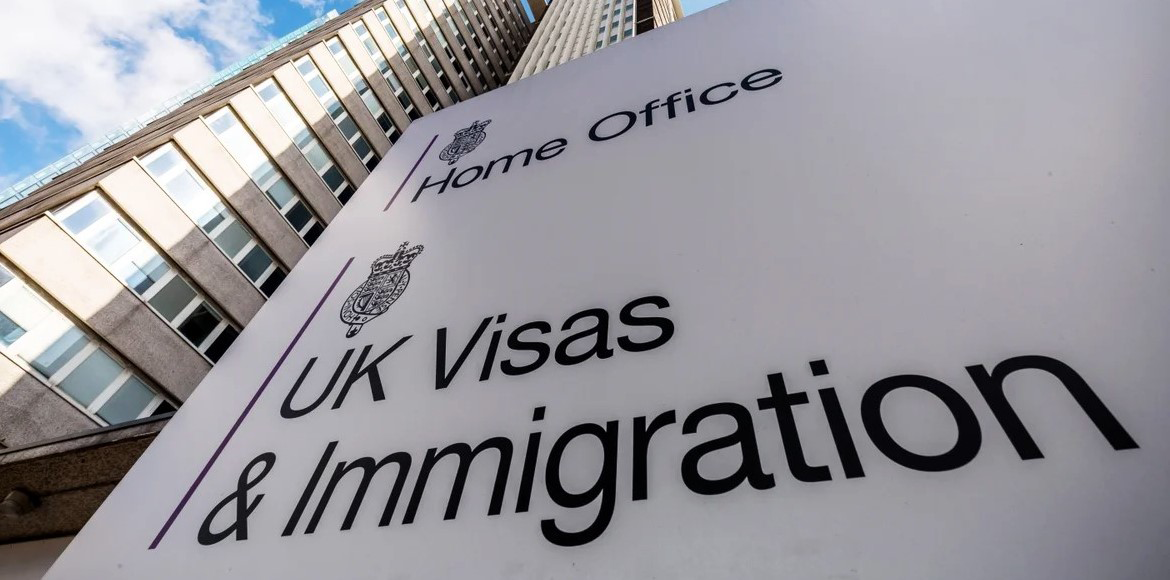
Applying for a UK visa, asylum, or settlement is a high-stakes process. One of the most common reasons for delays or rejections is submitting documents that do not meet the strict UK Home Office standards for translation.
If you are submitting Bengali documents—such as a Birth Certificate, Nikahnama, or a Police Report—you cannot simply use a generic translation. Here is everything you need to know to ensure your documents are accepted the first time.
1. What Does “Certified Translation” Actually Mean?
For the UK Home Office, a translation is not just a change of language; it is a legal verification. A certified translation must be completed by a professional who can attest to its accuracy.
At bengali2english, we are Chartered Certified, Registered, and Officially Approved. This means our translations carry the official weight required by:
- The UK Home Office (UKVI)
- HM Courts & Tribunal Service
- The NHS and General Medical Council
- HM Land Registry
2. The “Accuracy and Faithfulness” Requirement
The Home Office requires that every translation be an accurate and faithful representation of the original. This is especially critical for legal documents like First Information Reports (FIRs), Charge Sheets, or Case Diaries.
A minor error in a legal term can change the entire context of an asylum claim or a court case. Our translators ensure that the original meaning and professional standards of your Bengali documents are perfectly preserved in English.
3. Which Documents Need Professional Translation?
If your original document is in Bengali, it must be translated if you are applying for a UK visa or legal status. Common documents we handle include:
- Identity Documents: National Identity Cards (NID), Birth and Death Certificates.
- Family Records: Marriage Certificates (Nikahnama) and Divorce Letters.
- Legal/Police Records: FIRs, Police Warrants, and Affidavits.
- Financial/Property: Land Deeds, Tax Receipts, and Business Contracts.
4. What Should the Certified Translation Include?
To be valid, the Home Office states that the translation must include:
- A statement from the translator confirming it is an accurate translation of the original.
- The date of the translation.
- The full name and contact details of the translator or a representative of the translation company.
- The translator’s credentials (such as being Chartered or Registered).
Conclusion: Don’t Risk Your Future
Using an uncertified or “friend-made” translation is a risk that can lead to visa refusals. By choosing a specialist service like Bengali Language and Translation Services Ltd (bengali2english), you are choosing a partner that understands the UK legal system and the Bengali language intimately.
Ready to start your application? Don’t leave your success to chance. Contact us today for a free quote on your certified Bengali to English translations.
- WhatsApp/Call: +44 7586 291036
- Email: info@bengali2english.com
- Visit Us: 7 Bell Yard, London, United Kingdom.